Updated: Aug. 12, 2025, 11:30 a.m. | Published: Aug. 11, 2025, 6:00 a.m.
By Lillian Mongeau Hughes | The Oregonian/OregonLive

A new statewide shelter system, overseen by Oregon Housing and Community Services, launched in July when Gov. Tina Kotek signed House Bill 3644 into law.
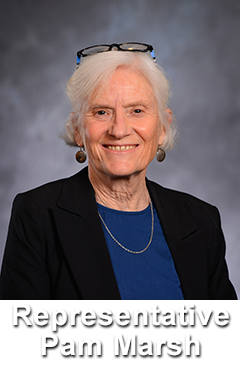
Sponsored by Rep. Pam Marsh, D-Ashland, at Kotek’s request, the approximately 4,800-bed system is the culmination of five years of shelter building work by the state. The beds are available in 138 shelters scattered throughout Oregon in nearly every county.
The new system will rely on several regional offices, none covering smaller than a single county, that will oversee all local shelters that receive state funding. Those shelters must abide by certain rules, including that they be open for 24 hours a day, seven days a week. Detailed reports on homelessness in each region will be due within the first year, to be followed by reporting on housing outcomes for shelter guests.
“This policy and this new program approach will provide clarity and consistency and intentionality around what we’re going to do,” Kotek said in July. “That is really, really important. The state has not had that.”
The largest regional concentration of state beds is in Marion and Polk counties, which contain 1,163 state-funded shelter beds. Jackson County – 508 beds – and Multnomah County – 615 beds – are the other two regions with the highest number of state-funded beds.
Most counties also have privately run shelters or shelters funded entirely by local governments that are not subject to the state’s new rules. Multnomah County, for example, has close to 3,500 publicly funded shelter beds in total.
The state had not focused on funding shelter beds before 2019, according to Kotek. But as homelessness in Oregon rose statewide during the pandemic, the state stepped in to assist local governments to create more beds. This aid was especially important in rural Oregon, Kotek said, where significant homelessness was a relatively new problem.
Here is a map showing the number of state-funded shelter beds in each region, according to data from Oregon Housing and Community Services. This is not a complete list of all available shelter beds, since it does not include private or locally funded beds.

Lillian Mongeau Hughes covers homelessness and mental health for The Oregonian. Email her with tips or questions at lmhughes@oregonian.com. Or follow her on Bluesky @lmonghughes.bsky.social or X at @lrmongeau.